

The Column · September 2026
The Glue Nobody Promotes
There is a kind of work that holds a team together and never shows up in a commit – or in a promotion case. I did it for years without ever deciding to. This is what changed when I started calling it by its real name.

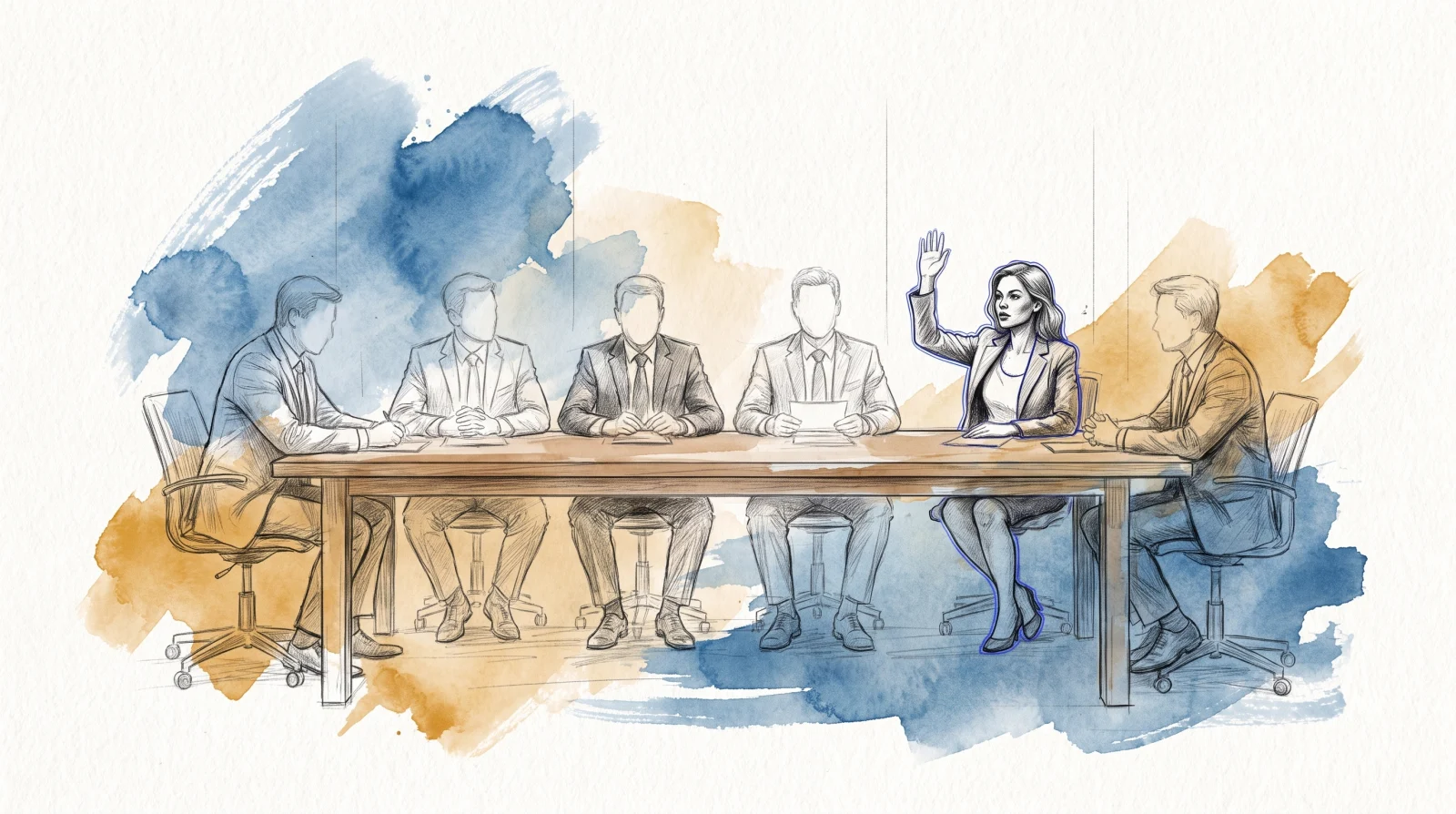
I was maybe two years into my career, still the kind of engineer who checks her code four times before sending the review, when I sat in a meeting and watched two teams walk straight into each other in slow motion.
They'd been building the same thing from opposite ends for weeks and nobody had caught it, because everyone was heads-down in their own corner and both leads assumed the other one had the full picture. Somebody said one throwaway sentence – I couldn't tell you now what it was – and I got that itch at the back of my head that means something doesn't line up….
It wasn't my job to do anything about it. I had my own tickets and my own deadline, and I was junior enough that "the two senior teams are confused" was well above my pay grade. But I couldn't un-hear it. So after the call I pinged one lead. Then the other. I set up a meeting nobody had asked me to set up, and sat there asking questions that probably sounded dumb coming from me, until the real disagreement finally crawled into the open. They were solving two different problems and calling them the same name!
I took the notes. Sent them around so everyone walked away believing the same thing. The project shipped.
"Nice catch," someone said in the retro. We moved on….
The stuff nobody writes down
That catch never showed up anywhere. Not in a commit, not on the roadmap. It left no trace. It was just a thing that had to happen or the whole timeline would've quietly fallen apart, and I was the one who did it.
There's a whole category of work like that. The onboarding doc you write because you still remember how lost you were in week one. The new hire, who looks miserable, so you take her for coffee. The coworker, stuck in a three-week email thread with another team, until you walk over, talk to an actual human, and unstick him in ten minutes. The question in the design review that nobody else will ask. I think of all of it as the glue – the stuff that holds a team together and never gets written down.
None of it is code. All of it is the difference between a team that works and a group of people who happen to sit near each other….
I'd done it before, unpaid
I was good at this the day I walked in. Years before my first standup….
Not because women are naturally nurturing and warm and good with people and all of that – I want to be careful here, because that story is exactly the one that gets us into trouble, and I'll come back to it. I was good at it because I'd already put in thousands of hours of it, unpaid, and nobody had ever thought to call it a skill.
In university my husband and I ran a little business writing coursework for other students. He did the lab work. I wrote the papers, and I ran everything around them – the clients, the deadlines, the paperwork nobody wanted to touch, the hundred small handoffs that had to line up or the whole thing fell over. I was also the elder for my class, which back home basically meant being the unpaid manager of thirty people who never asked to be managed. By the time anyone paid me to be an engineer, I already knew how to hold a dozen moving parts and a dozen moods in my head at once. You're not born knowing that. It's practice!
Most women I know have put in that practice somewhere. Usually at home.
The shift nobody put on a calendar
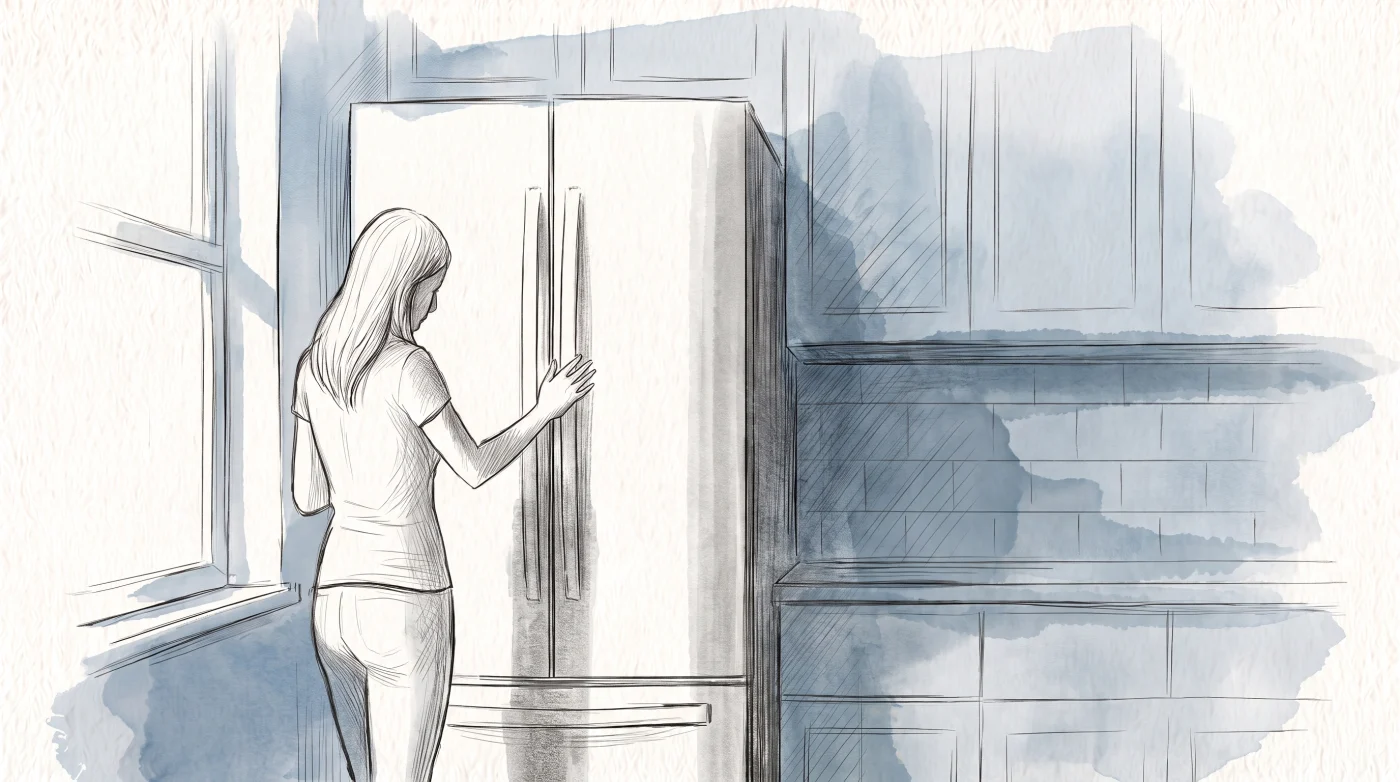
I'm the one who knows the pediatrician's number without looking it up. I know which kid has outgrown his shoes, whose permission slip is due tomorrow, which friend is currently the most important friend in the world. The family calendar doesn't live on the fridge. It lives in my head, and it doesn't switch off. I notice we're low on milk before we've run out. I remember on Thursday that Saturday has a birthday party we haven't bought a present for….
My husband's brain has an off switch. Mine doesn't. We drove to LA once and he was just... driving. Content, humming, empty in the good way. My head was running four background processes about a school form, a work deadline, and whether we'd left the stove on. That's not a flaw in him and it's not a gift in me. It's a groove worn into me by years of being the one who keeps the whole thing from falling apart.
None of it is code. All of it is the difference between a team that works and a group of people who happen to sit near each other.
So you get to work, there's a gap, someone needs to fill it – and you fill it. Fast, well, without really deciding to, because it feels like the most normal thing in the world. It doesn't feel like extra. It feels like a Tuesday.
Which is where it turns on you….
Why it stops working for you
Being good at the glue means the glue comes to you. Being the person everyone expects to do it means you slowly stop getting any credit for it. There's research I read years ago and have never been able to unsee – women put their hand up for this kind of thankless, un-promotable work far more than men do, and then managers turn around and hand it to women more often on top of that. The men aren't twirling a mustache about it. A lot of them just worked out, somewhere along the line, that if they sit still long enough a woman in the room will volunteer. So they sit still….
I've been that woman more times than I'd like to count. My hand was up before I'd even asked myself whether I wanted the thing.
Some things have to hit the floor before anyone else will pick them up.
It made me the person the whole team leaned on and the person whose promotion case somehow came up thin. I'd get a warm review – lovely feedback, people meant it – and then watch someone who'd shipped a big pile of clean code get the level I didn't. Good work, they'd tell me. But where's the technical contribution? As if catching those two teams before they collided wasn't technical…. As if it was just something nice about my personality!
For a while I figured the answer was to just stop. Drop the Slack channels. Let things fall. Become one of those people who can watch a ball roll off the table and think, honestly, not mine. That advice works – I've watched it work for other people. It also asks you to get worse at the thing you're best at so a broken system will finally notice you. I couldn't make myself do it. Every time something started to slip I caught it on reflex, the way you grab a glass off the edge of a counter before you've decided to.
What I do now
What changed came down to how I talk about the work, mostly….
I stopped saying "helping." For years that was my word –
… I just helped out with the launch,
… I helped the new person settle in.
You say helping when you've already decided it doesn't count. So I started calling it what it was, which was leading, and writing it down that way.
… The sync I ran that saved the quarter.
… The standard I pushed through, that cut our rollbacks in half.
… The design that changed direction because of one question I asked.
I kept the receipts – not to show off, but so that work I used to let disappear would finally be visible to the people deciding on promotions.
And I got choosier about which balls I catch. I still lose this one constantly. Not every dropped thing is mine. Some of them belong to the person who keeps dropping them, and catching it one more time only teaches everyone – him included – that it's fine, no need to change, she's got it. We've been trained our whole lives, at home and at work, to be the one who makes sure nothing hits the floor. Letting something land feels almost physically wrong. I do it anyway, when I can.
Some things have to hit the floor before anyone else will pick them up.
More than seven years into leading engineering teams, I catch this now in the women who work for me. There's nearly always one who's quietly become the real lead of the team without the title or the salary that should come with it. I know exactly how she got there, one reasonable step at a time, because I got there the same way. She's not doing anything wrong. She's doing the most valuable work in the room.
She just hasn't decided yet whether she's doing it on purpose….